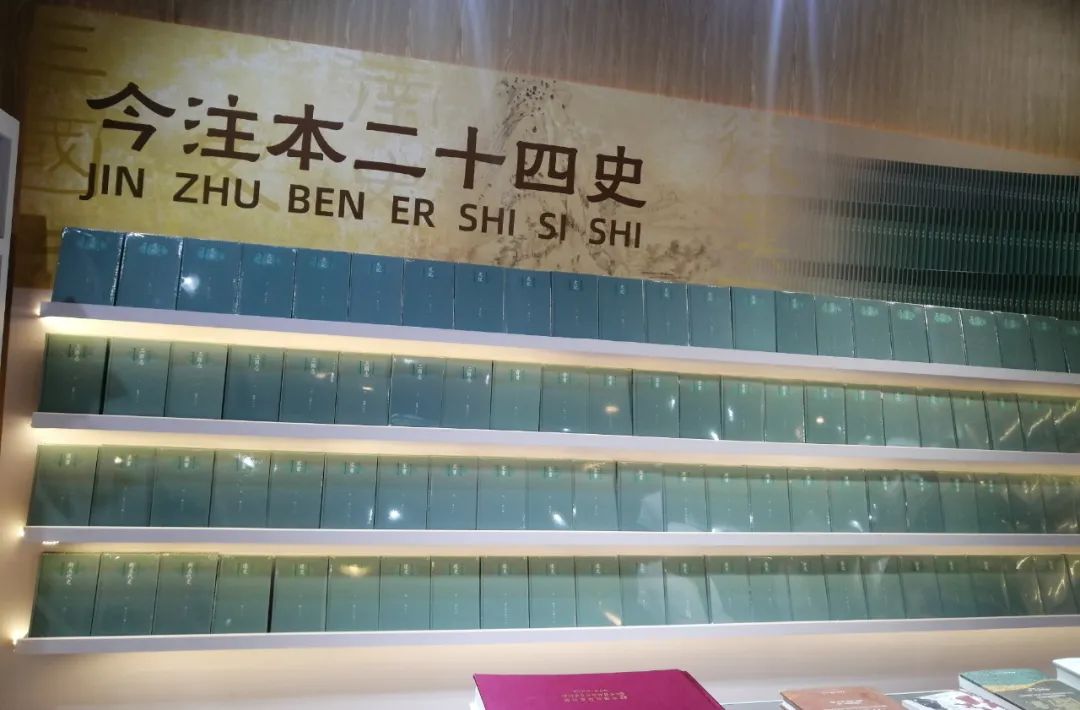
Twenty-Four Histories
Introduction
The "Twenty-Four Histories" is a collection of Chinese historical books that form the core of traditional Chinese historiography. These histories, covering from the Yellow Emperor to the end of the Ming Dynasty (1368–1644), serve as authoritative sources on the political, economic, cultural, and social aspects of ancient China, and they have been extensively studied by historians for centuries.
Compilation and Content
The Twenty-Four Histories include various types of works, such as annals, biographies, and treatises on rituals, music, astrology, and geography. Each work was compiled by different authors or groups of authors, often commissioned by the ruling dynasty of the time. The collection begins with the "Records of the Grand Historian" by Sima Qian, which covers the history from the earliest times to the Han Dynasty (206 BC-AD 220). It is followed by works such as the "Book of Han" , the "Book of Later Han", and continues up to the "History of Ming".
Historical Significance
The Twenty-Four Histories provide invaluable insights into the evolution of Chinese civilization, documenting the historical narratives, philosophical ideas, scientific advancements, and cultural achievements of the times. They also include detailed accounts of major events, influential figures, and significant developments in the imperial history of China. Due to their comprehensive nature, they have served as a foundation for both Chinese and international scholars studying Chinese history.
Editorial Efforts and Modern Revisions
In recent years, there have been significant efforts to make the Twenty-Four Histories more accessible to modern readers. Scholars like Hu Ke have been involved in editing ancient manuscripts, collating them with modern interpretations, and ensuring that the texts are both accurate and comprehensible. This involves adding punctuation, standardizing terminology, and revising translations to reflect current academic standards. The Zhonghua Book Company and other publishers have played a crucial role in this endeavor, publishing revised editions that cater to both academic research and general interest.
Cultural Impact
The Twenty-Four Histories have not only been a source of historical information but have also inspired cultural and artistic endeavors. The texts have influenced literature, art, and popular media. For instance, historical novels like Ma Boyong's "Fifteen Days Between Two Capitals" take inspiration from episodes documented in these histories, blending fact with creative storytelling to engage modern audiences. Additionally, these historical texts have provided a rich source of content for television series and films that aim to depict ancient Chinese life and traditions authentically.
Digitalization and Accessibility
With the advancement of digital technology, there has been a move towards digitizing these ancient texts, making them more widely accessible to the public. Organizations such as the National Library of China have collaborated with various institutions to digitize thousands of ancient books, including the Twenty-Four Histories. This initiative enhances the preservation of these historical documents and facilitates easier access for researchers and enthusiasts worldwide.








